
by Stephen Judd
Share
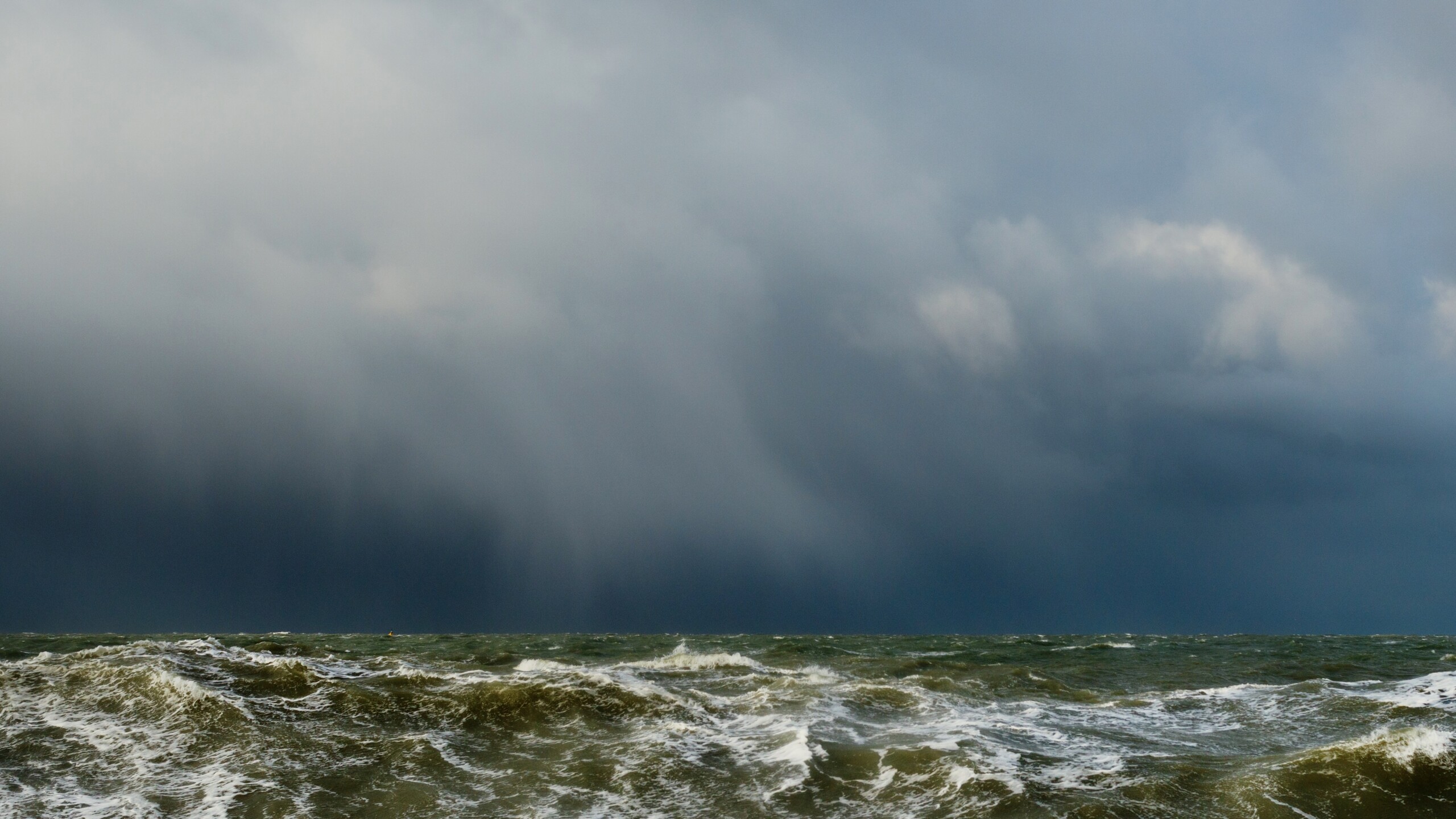
There are times when we look at the trouble around us and begin to question the direction that brought us there. We prayed. We sought the Lord. We did our best to obey Him. Yet here we are, facing something we never expected.
Did we miss God somewhere?
The disciples could have asked that question on the Sea of Galilee. Jesus had told them to cross the lake. They had followed His direction, and now their boat was filling with water. Some of these men knew the water well. When they became frightened, there was reason to take the danger seriously.
But the storm was not evidence that they had taken a wrong turn. Jesus was in the boat.
The accounts in Mark 4:35–41 and Luke 8:22–25 offer more than the story of a remarkable miracle. They teach us how to understand the storms that come into our own lives. They remind us that obedience does not exempt us from trouble, that God’s presence does not disappear when trouble comes, and that faith can grow in the very circumstances that seem to threaten it.
Obedience can lead into a storm
It was Jesus who initiated the crossing. The disciples did not leave Him on the shore and launch a journey of their own choosing. They went where He told them to go.
Luke records their response with wonderful simplicity. Jesus gave the direction, and they launched out. There is no recorded argument or demand for an explanation. They responded to Him and began the journey.
Then the storm came.
We need to let that settle into our thinking. These men were in the will of God, doing what the Lord had asked them to do, and still they encountered a storm.
Sometimes we assume that obedience should make everything easier. If the Lord has directed our steps, surely the way will be clear. If we have prayed about a decision, surely there will be no difficulty on the other side of it.
But Scripture does not support that expectation.
Some troubles come because of poor choices, and we should be willing to examine ourselves. Yet difficulty alone is not proof of disobedience. We can be exactly where God has placed us and still find ourselves in rough water.
Do not let the storm rewrite what you know about the Lord’s direction. Before you conclude that you have missed His will, remember those disciples. The same Jesus who knew the destination also knew what they would encounter along the way.
Their obedience had not failed. Their understanding of what obedience might involve was about to grow.
Faith faces the water in the boat
The disciples could not ignore what was happening. The waves were breaking into the boat. Luke tells us they were in danger.
Sometimes people seem to think that faith requires us to deny the problem. We must not acknowledge the sickness, mention the difficulty, or admit that we are afraid. Somehow, saying it aloud is supposed to make it more real.
But if you have a fever, you have a fever whether you acknowledge it or not. Refusing to admit that the boat is filling with water will not keep it afloat.
Faith does not require dishonesty.
There is nothing unspiritual about saying, “Lord, I am hurting. I do not know what to do. This situation is more than I can handle.” Those words can become the beginning of a sincere prayer.
The problem comes when we allow the trouble to become the only truth we acknowledge. The water was real, but so was the presence of Jesus. The danger was real, but so was His authority over it.
We can face our circumstances honestly without surrendering our confidence in God. We can seek help, take appropriate action, and still believe that the Lord is at work.
Have you ever felt as though your boat was full of water? Most of us have. You do not have to pretend otherwise. Just remember who is in the boat with you.
His presence does not mean the absence of trouble
One of the most striking details in this story is that Jesus was asleep. Mark tells us He was resting in the stern while the storm raged around Him.
The disciples were alarmed. Jesus was at rest.
His rest did not mean He was unaware of their need or indifferent to their lives. Yet that is how frightened people can interpret the silence of God. We pray and see no immediate change. We struggle while heaven seems quiet. Before long, we begin to wonder whether the Lord cares.
The disciples brought that very question to Jesus. Their fear had begun to shape their understanding of His concern for them.
We must be careful about doing the same thing.
The presence of trouble does not mean the absence of God. He has never promised that His people would avoid every hardship. He has promised His presence through the hardship. Isaiah 43:2 speaks of God being with His people as they pass through waters and fire. The promise anticipates difficulty and assures them that they will not face it without Him.
A Spirit-filled believer may feel lonely in a storm, but feeling alone and being abandoned are very different things. The Lord has not moved out because the wind has picked up.
You can be obeying Him, living in His presence, and walking in His will while the waves are beating against your boat. Do not measure His faithfulness by the weather.
Stay with what God has told you
When a storm comes, the temptation is to escape at any cost. We want to change something, abandon something, or get away from whatever has become difficult.
But getting out of the boat in the middle of the lake does not get you out of the storm. It puts you into the water.
Over the years, I have watched people face trouble and begin to pull away from the very things that could help sustain them. Prayer becomes harder, so they stop praying. They feel discouraged, so they withdraw from fellowship. They cannot understand what God is doing, so they loosen their hold on His Word.
That is the time to hold on.
In Acts 27, Paul was aboard a ship bound for Rome when a violent storm overtook it. Conditions became so desperate that hope of survival was finally abandoned. But an angel brought Paul assurance that he would stand before Caesar and that those sailing with him would survive.
Later, when sailors tried to escape in the skiff, Paul warned the centurion that their remaining aboard was necessary for the others to be saved. The soldiers cut the ropes and let the skiff fall away.
Eventually, the ship broke apart. At the centurion’s direction, some swam to shore while others reached land on boards and pieces of the vessel. All 276 people survived (Acts 27:37–44).
The lesson is not that circumstances can never change. The ship itself was lost. The lesson is that fear must not take the place of obedience. They needed to follow the direction God provided for that moment.
Stay with the Lord. Keep praying. Keep receiving the help of His people. Do not let a season of distress persuade you to abandon what you know to be true.
Call on Him before you reach the end of yourself
The disciples finally awakened Jesus. Luke records their urgent cry: “Master, Master, we are perishing!” (Luke 8:24, NKJV).
We are not told everything they did before that moment. But it is easy to imagine experienced men working desperately to manage the boat, doing whatever they knew to do as the water rose.
How often do we handle our problems that way?
We tell ourselves we can manage. We work a little harder, make another adjustment, and try another solution. There is nothing wrong with using the ability God has given us. But somewhere along the way, we can begin to depend on our ability as though everything rests upon it.
Then a wave comes that we cannot handle.
Prayer should not have to wait until we have exhausted every other possibility. We can call on Jesus while we work, before we understand the situation, and before we know what to ask.
There is also encouragement here for those who have waited too long. The disciples’ prayer was frightened and imperfect, but they brought their need to the right Person. Jesus responded.
He arose, rebuked the wind, and commanded the sea: “Peace, be still!” (Mark 4:39, NKJV).
The storm yielded to His voice. What had overwhelmed the disciples was subject to Him all along.
Their resources had reached their limit. His authority had not.
The storm can deepen your faith
After the wind and waves became still, Jesus asked a searching question: “Where is your faith?” (Luke 8:25, NKJV).
He had dealt with what was happening around them. Now He addressed what was happening within them.
The disciples had already heard His teaching and witnessed His power. Yet knowing about His power was different from trusting Him when their own lives felt threatened. The storm brought that difference into view.
An inspiring service can encourage our faith. A powerful message can strengthen our resolve. But there are things we learn about trusting God when there is water in the boat that we may never learn while sitting safely on the shore.
We discover how quickly fear can take over. We recognize the limits of our own strength. We learn to bring our need to Him with an honesty that comfortable days do not always produce.
I would never suggest that we should enjoy watching people suffer. But as a pastor, I have been deeply encouraged by watching believers endure. I have seen people stand through circumstances they would never have chosen, and when the storm passed, they were still trusting God.
Sometimes they were tired. Sometimes they had unanswered questions. But their faith had taken deeper root.
We do not have to explain the origin of every storm to believe that God can work through it. Trouble does not place us beyond His care. Even when our faith falters, we can turn to Him again.
The disciples came out of that experience with a greater understanding of who was traveling with them. The One they had awakened in fear was Lord over the very thing they feared.
There is another shore
Mark 5 begins with their arrival on the other side. There Jesus encountered a man whose life had been devastated by demonic bondage. The man who had lived among the tombs was delivered, restored, and sent home to tell what the Lord had done for him.
The disciples could not see that encounter while they were struggling in the boat. Their immediate concern was survival. But the crossing had a purpose beyond what they could see in the darkness.
That does not give us permission to explain every painful experience with an easy answer. Some storms leave us with questions we cannot resolve. But it does remind us that the Lord’s purpose can reach farther than our present understanding.
Do not let your storm convince you that Jesus has left you. Do not assume that difficulty proves disobedience. And do not surrender your faith because the journey has become harder than you expected.
The truth about storms is that they can come even when we are following Jesus. The greater truth is that we do not have to face them without Him.
Keep your confidence in the One who called you to follow. Bring Him your fear. Listen for His direction. Hold to His Word.
There is still another shore, and the Lord who began the journey has not lost His way.